





Scientific Management of Energy and Water Resources

Perspective
The scientific management of energy and water resources will play a decisive role in shaping Kerala’s development over the next decade. As global energy demand rises and climate-related risks intensify, States with limited land, ecological vulnerability, and growing economic aspirations must rely on evidence-based and carefully sequenced approaches to resource governance. For Kerala, this means aligning energy security, water security, and climate resilience with the State’s broader economic vision for 2031.
In the energy sector, Kerala has committed itself to a low-carbon development pathway. At present, around 70–80 per cent of the State’s electricity is sourced from fossil-fuel-based generation outside Kerala. At the same time, per capita electricity consumption within the State remains below the national average, effectively making it carbon net-negative in carbon’s emission. At the same time, the State aims to transition to a middle-income economy driven by modern industry and IT-enabled services Theseenergy-intensive sectors rely on regions that provide a reliable and competitively priced power supply. Affordable and dependable energy supply is therefore essential for sustaining Micro, Small and Medium Enterprises (MSMEs), supporting industrial expansion, and enabling effective climate adaptation.
The central policy challenge lies in managing the energy transition in a manner in which Kerala can balance maintaining dependable and reasonably priced power supply with long-term decarbonisation. This includes enhancing the effective utilisation of renewable energy, while carefully assessing storage options such as pumped storage andBattery Storage Systems (BSS) for their cost effectiveness and suitability to Kerala’s conditions. The session will examine feasible transition pathways, including diversification of the energy mix, identification of longer-term energy sources such as modular thorium-based nuclear technologies, strengthening grid stability, and scaling up renewable generation without undermining economic growth or social equity.
The hydrological conditions of Kerala management of water resources in the S
On water resources and their management, Kerala’s hydrological conditions present a dual challenge. Despite high rainfall and extensive surface water resources, the State experiences seasonal scarcity, localised droughts, and severe floods. These stress factors underline the need for an integrated and forward-looking water management framework, including new large and medium irrigation projects. The session will examine the condition of existing water infrastructure, with a particular focus on modernising irrigation systems to improve efficiency and enhance land productivity. It will also address the management of Kerala’s water legacy, including the role of new dams and reservoirs as multipurpose assets for flood moderation, storage, and year-round water availability. This approach will require careful attention to ecological impacts, rehabilitation considerations, and long-term storage needs in the context of an increasingly unpredictable climate.
The discussions will further explore decentralised and integrated approaches to water security. Revitalising minor irrigation systems—such as tanks, ponds, and check-dams—will be essential for local water budgeting and groundwater recharge. The session will assess how emerging technologies, including AI-based demand forecasting and automated canal operations, can support rational water allocation and reduce conveyance losses. It will also consider a holistic approach to flood management that combines structural interventions with watershed restoration, sustainable urban drainage, and the protection of natural floodplains. The objective is to evolve a resilient water governance framework that connects major infrastructure with local initiatives and strengthens Kerala’s capacity to manage variability in water availability.
By 2031, Kerala will move towards a coherent strategy for energy and water management that supports economic expansion, protects environmental assets, and builds long-term climate resilience. This session will contribute to defining that strategy by identifying practical pathways, policy priorities, and institutional reforms necessary for Kerala’s next phase of development.
Panelist Speakers
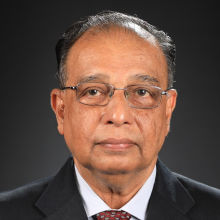
Prof. E J James
Pro-Vice-Chancellor (Research and Consultancy), Karunya University

Dr. A K Gosain
Professor Emeritus, Indian Institute of Technology Delhi
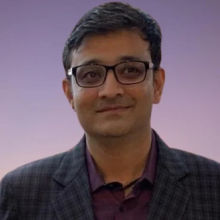
Shri. Deepak Varshney
Regional Researcher, International Water Management Institute-India

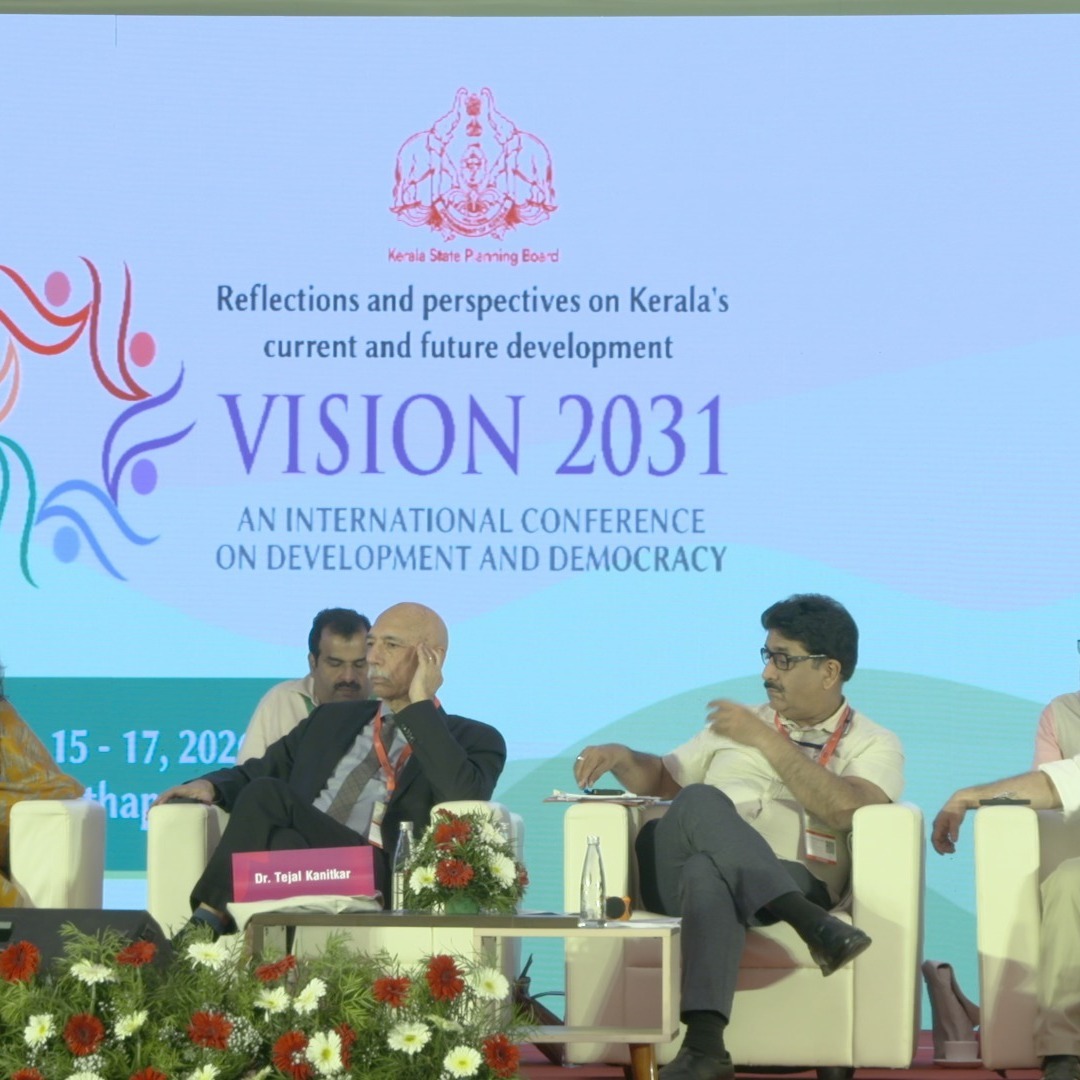
Dr. Tejal Kanitkar
Associate Professor, Indira Gandhi Institute of Development Research,Mumbai
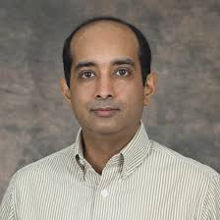
Dr. Rahul Tongia
Senior Fellow, Centre for Social and Economic Progress
.jpeg)
Shri.Ravindra Kadam
Senior Advisor (Renewable Energy), Central Electricity Regulatory Commission (CERC)
Venue Location
Hyatt Regency, Hall 1
CV Raman Pillai Rd, DPI, Thycaud, Thiruvananthapuram