





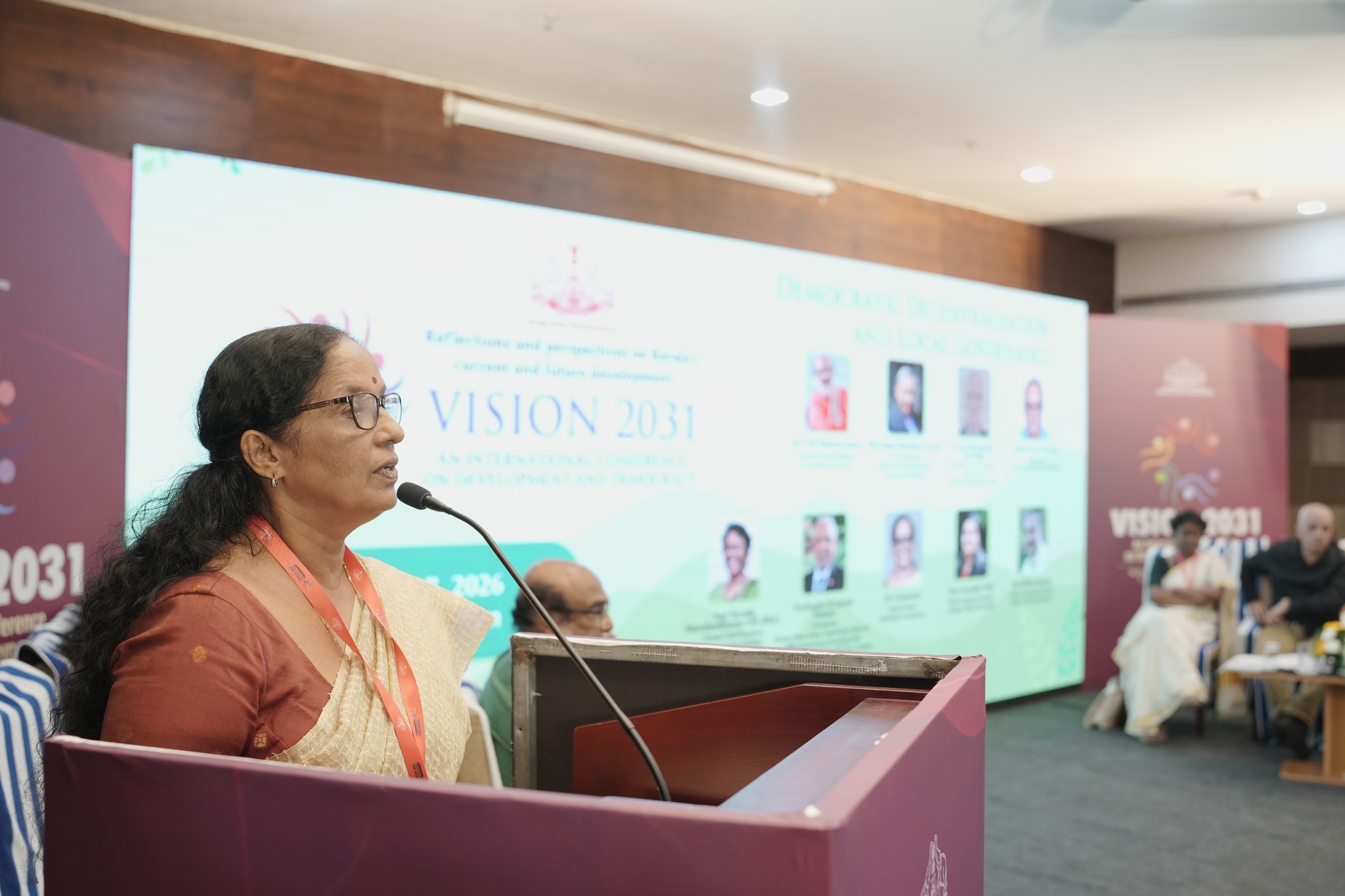


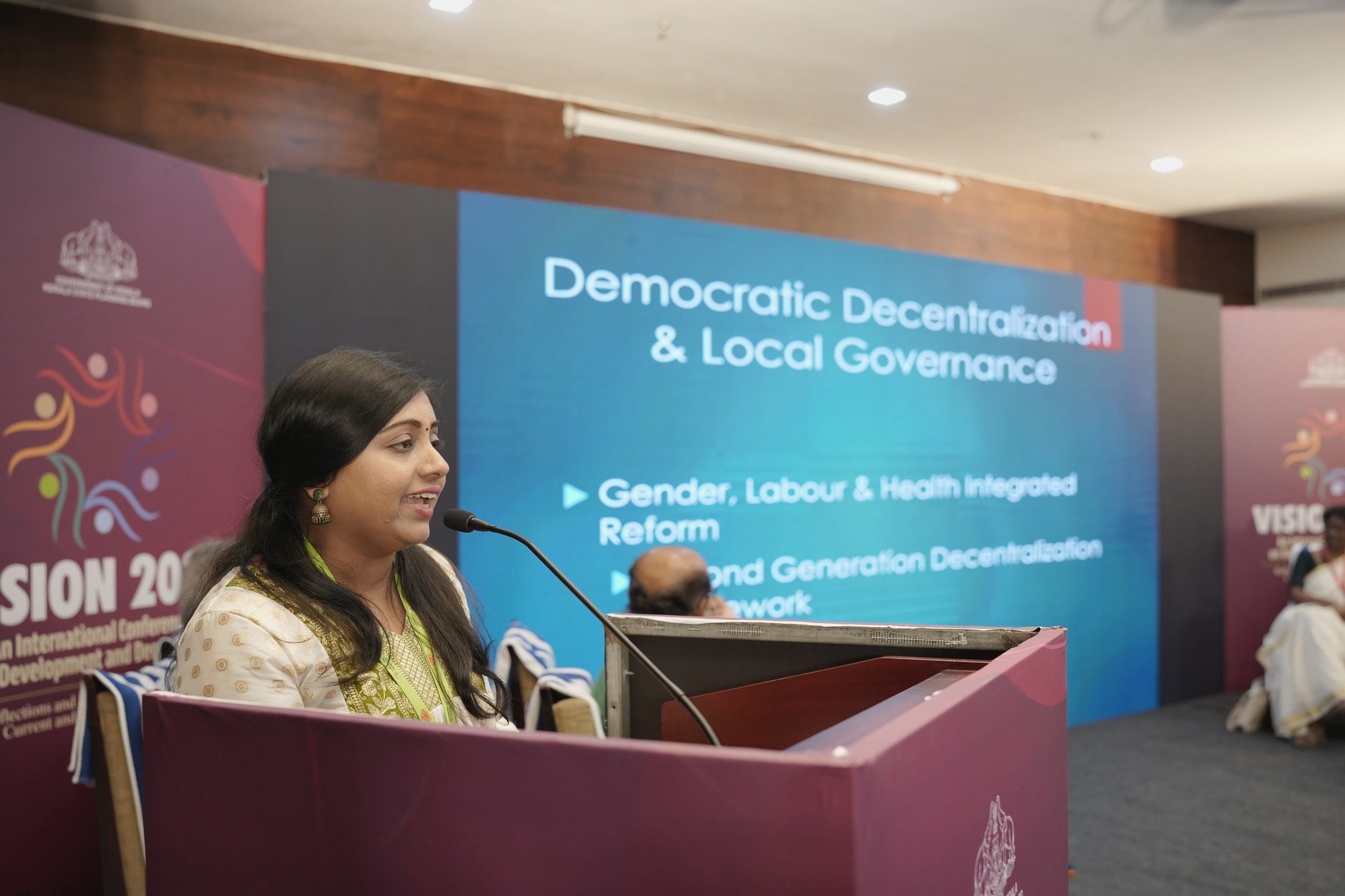

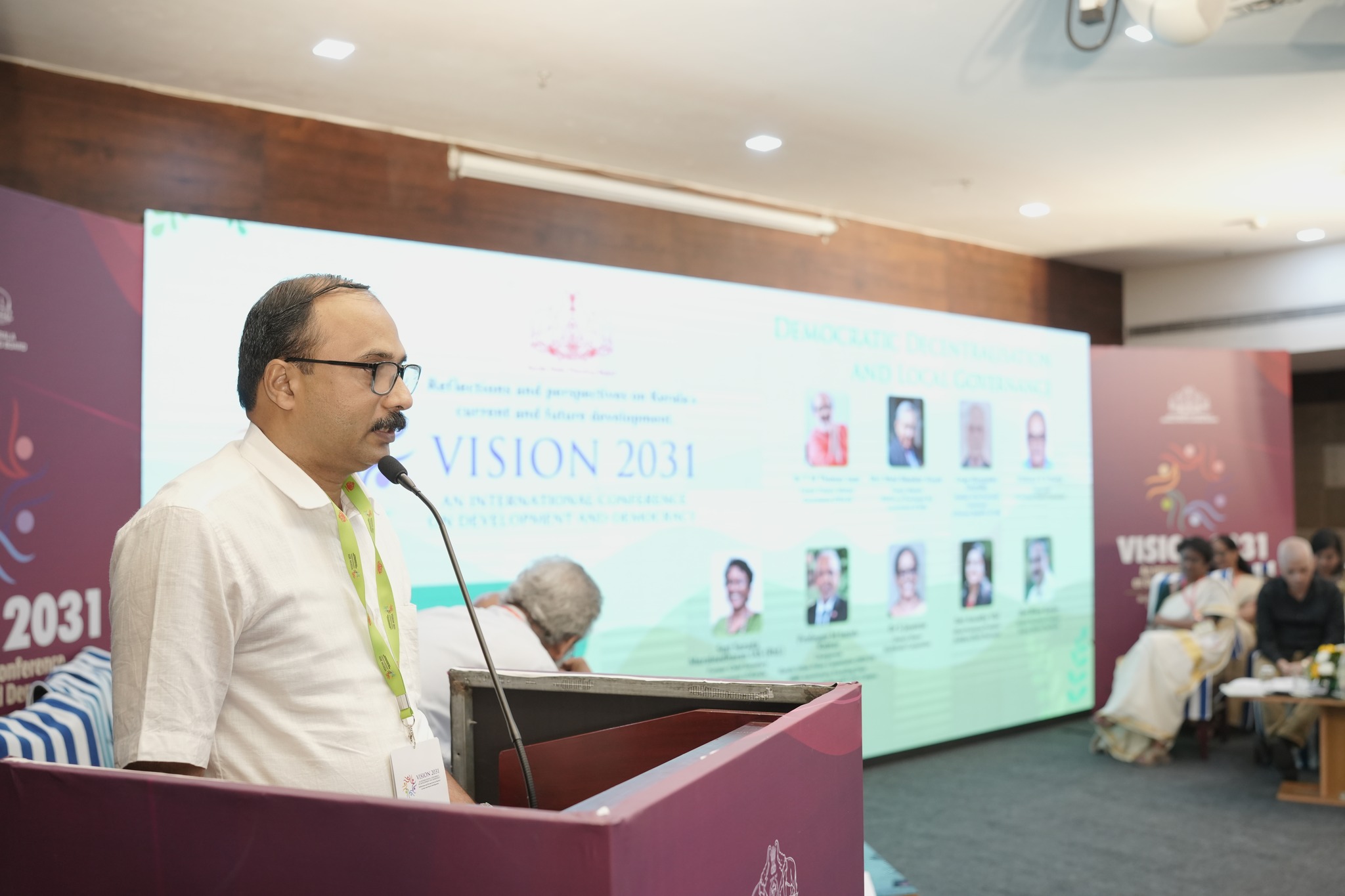
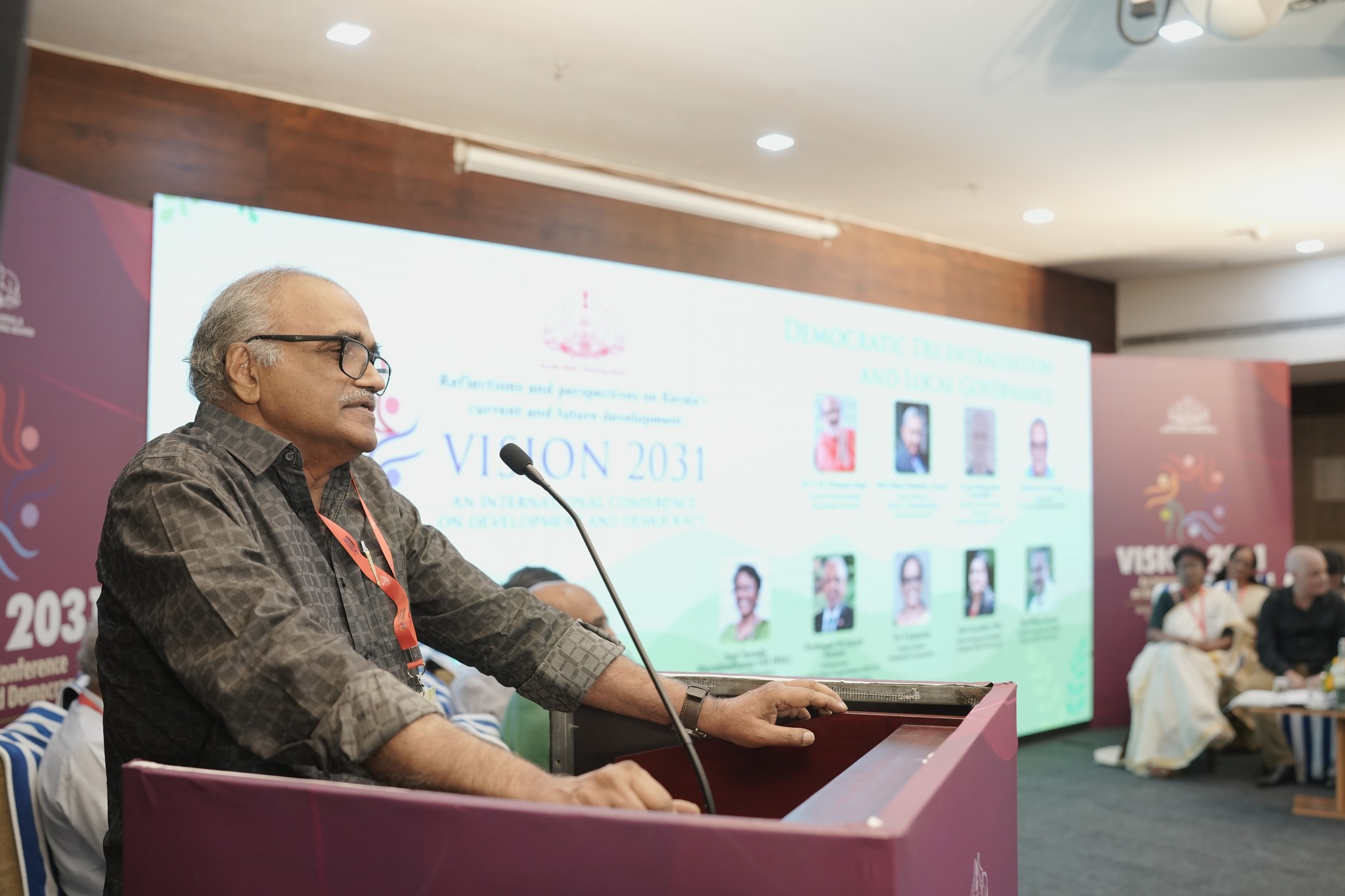

Democratic Decentralisation and Local Governance

Perspective
The People’s Plan Movement in 1996 brought about a fundamental reorganisation of local governments in Kerala with the transfer of funds, functions, and functionaries to local governments. This shift redefined the institutional role of local governments and strengthened their position in public life and collective decision-making. Fiscal decentralisation through untied development grants, a structured planning process anchored in gram sabhas and working groups, and an emphasis on participatory planning together created a distinctive framework for local governance. This framework has contributed to more equitable development outcomes and strengthened the delivery of public services. During the floods of 2018 and 2019 and the Covid-19 pandemic, local governments demonstrated their capacity for coordination, service delivery, and community engagement, reinforcing public confidence in decentralised institutions.
The next phase of decentralised governance calls for the transformation of local governments into instruments of economic growth. This includes enhancing production and productivity in the primary sector, supporting local enterprise and employment in the secondary and service sectors, and promoting scientific management of natural resources.
Local governments will also play a role in advancing inclusive development, poverty alleviation, and improvements in service delivery, and in solid and liquid waste management.These efforts will be aligned with broader State development priorities.
The future of decentralised local governance in Kerala will include strengthening capacity-building, improving project management skills among local governments, ensuring inclusive participation, addressing second-generation socio-economic issues, bridging the digital divide, and improving the technical and administrative capacity of local governments to handle complex projects.
Rapid urbanisation demands local-level plans that improve infrastructure, civic amenities and citizen services. Local governments will have a clear conceptual approach, a skilled workforce, and engage modern developments in techniques and methods of spatial planning to address urbanisation in the context of Kerala’s unique rural-urban continuum.
This session will examine how decentralised local governments can adapt their institutional roles, planning practices, and technical capacities to meet these evolving economic, social, and spatial challenges, while retaining the participatory foundations of the People’s Plan Movement.
Panelist Speakers
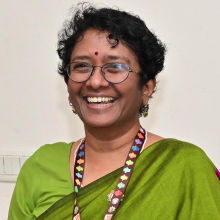
Smt. Sarada Muraleedharan IAS (Rtd.)
Former Chief Secretary, Government of Kerala
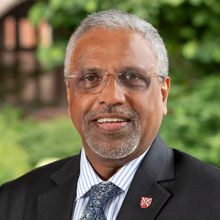
Prof. M Satish Kumar
Dean of Queen’s University Belfast – GIFT City Campus, Gandhinagar, Gujarat, Bharat and Professor of Global Development and Social Transformation Former Chairperson, Kerala Urban Policy Commission

Dr. T M Thomas Isaac
Former Finance Minister, Government of Kerala

Smt. Aswathy Vibi
Block Panchayat President, Kodakara Block Panchayat
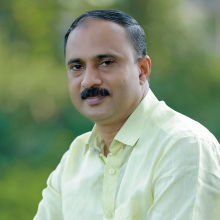
Shri. Binoy Kurian
District Panchayat President, Kannur District Panchayat
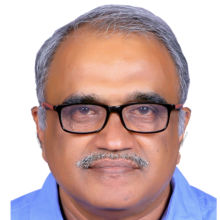
Prof. K N Harilal
Chairperson, Kerala State Finance Commission

Shri. Mani Shankar Aiyyar
Former Minister, Ministry of Panchayati Raj Government of India

Dr. S Jayasree
Deputy Mayor, Kozhikode Corporation

Cesar Hernández González
Member of the Provincial Government of Havana, Republic of Cuba
Venue Location
Dimora Trivandrum
Opposite Central Railway Station, Thampanoor, Thiruvananthapuram - 695001