




Transforming Education and Skills

Perspective
Kerala’s approach to education builds on its long-standing achievements in universal schooling and social inclusion. State policy seeks to ensure an education system that supports intellectual development, civic responsibility, scientific temper, and a secular democratic outlook. Education is understood not only as a means of individual advancement, but as a foundation for social participation, economic development, and democratic life.
The transformation of school education continues to focus on quality and inclusiveness. Schools are envisaged as environments that encourage critical thinking, progressive social and cultural engagement, and physical well-being. This will be supported through infrastructure development, improved learning resources, and pedagogical practices grounded in scientific understanding of learning processes. Students in Kerala will have access to education that meets high national and international standards.
The State seeks to position itself as a higher education hub by strengthening existing universities and colleges, particularly in major urban centres, and by developing internationally competitive institutions and education cities. New and modern academic programmes, upgraded physical and digital infrastructure, and strong industry linkages will be promoted. Private investment will be promoted to supplement the State’s efforts. The Study in Kerala initiative will be implemented to attract students from other States and countries, making Kerala a destination for quality higher education.
Universities and colleges will function as spaces for modern thought, research, and social change, contributing to global knowledge and addressing local development needs. Centres of excellence established for research and knowledge creation will be strengthened through enhanced autonomy, modern infrastructure, and sustainable funding models, including budgetary support, industry partnerships, and CSR contributions. Existing universities will be reimagined in both structure and academic orientation, including the introduction of a federal collegiate university system that grants greater academic autonomy to affiliated colleges. Knowledge creation and skilling will be prioritised within higher education, supported by the use of modern technologies, including AI. Continuous teacher training and administrative reforms will be central to this effort, ensuring that advances in the knowledge sector are reflected in pedagogy and institutional practice.
Education will be closely linked with employability. Higher education and skill development will be aligned with emerging industries and new technologies, strengthening Kerala’s position as a hub for a highly skilled workforce. Throughout this transformation, social justice, accessibility, equality, and inclusiveness—long-standing characteristics of Kerala’s development experience—will remain the guiding principles of State policy shaping education and skilling.
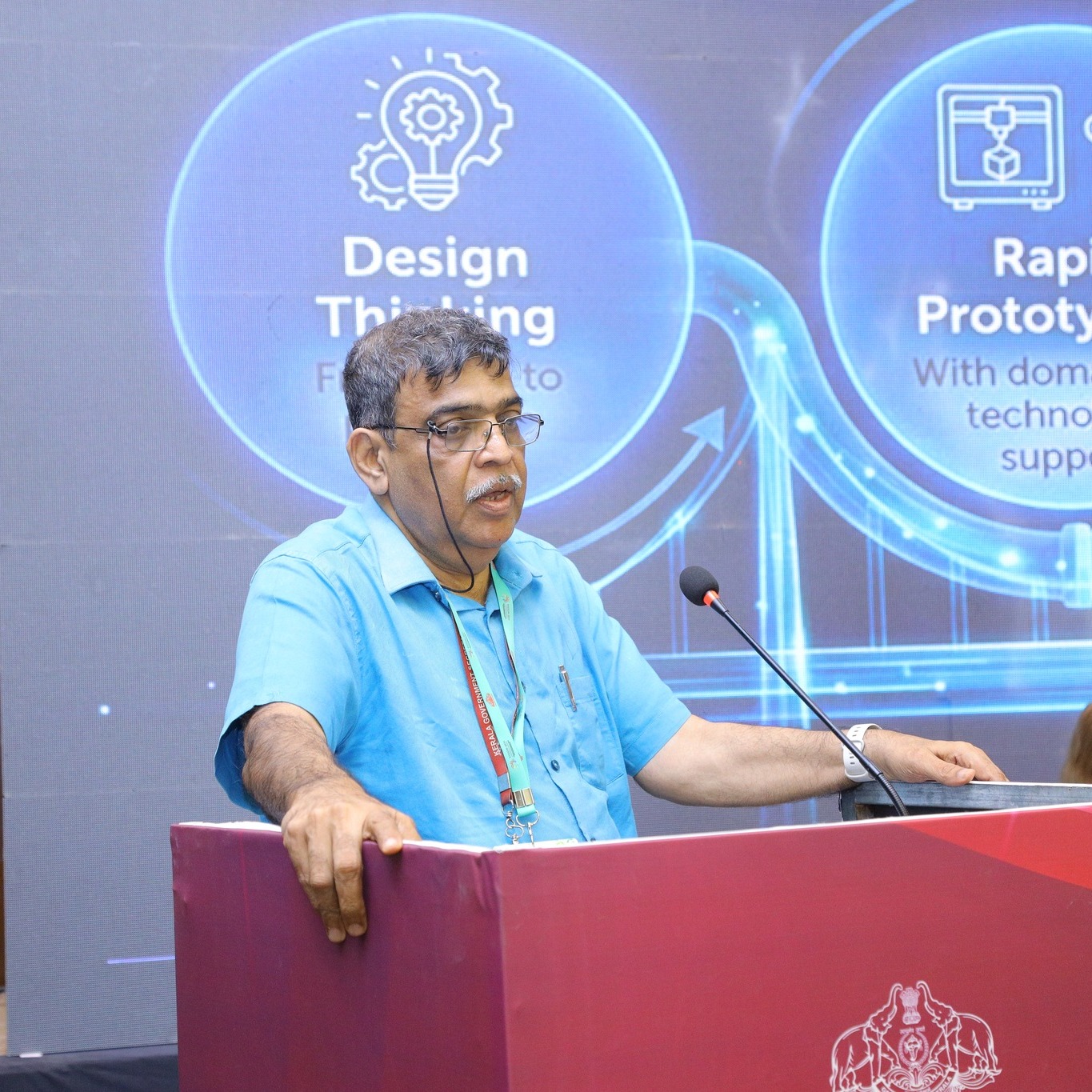
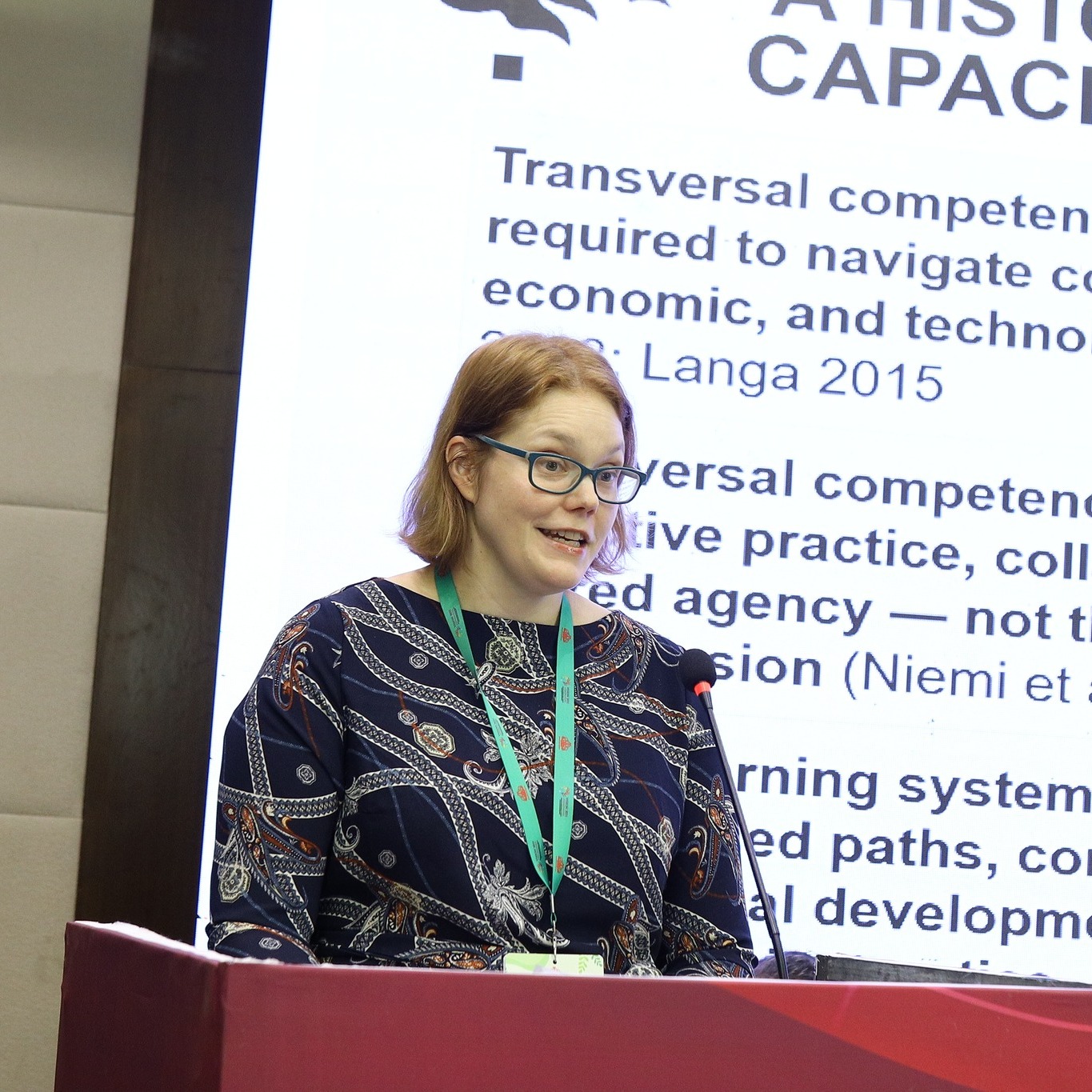
Panelist Speakers
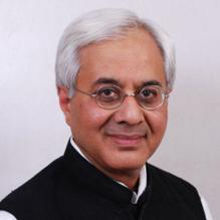
Dr. A K Shiva Kumar
Former Director, International Centre for Human Development, UNICEF Vice Chancellor, Birla Institute of Technology and Science, Pilani

Dr. Jonna Kangas
University of Helsinki, Finland
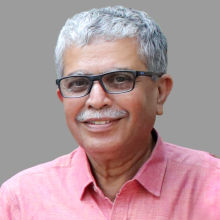
Dr. C Ramakrishnan
Coordinator, Vidyakiranam project

Dr. Retheesh Krishnan
Assistant Professor, Department of Chemistry, Government College for Women, Thiruvananthapuram
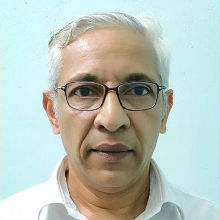
Prof. Gopinath Ravindran
Former Vice-Chancellor, Kannur University
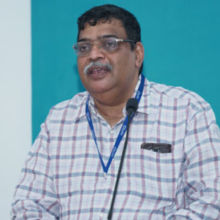
Dr. P V Unnikrishnan
Member Secretary, Kerala Development and Innovation Strategic Council

Prof. Rajan Gurukkal
Vice Chairman, Kerala Higher Education Council Former Vice Chancellor, Mahatma Gandhi University, Kottayam
.jpg)
Prof. Sonajharia Minz
Jawaharlal Nehru University, New Delhi
Venue Location
Hilton Garden Inn
Punnen Rd, Statue, Palayam, Thiruvananthapuram