





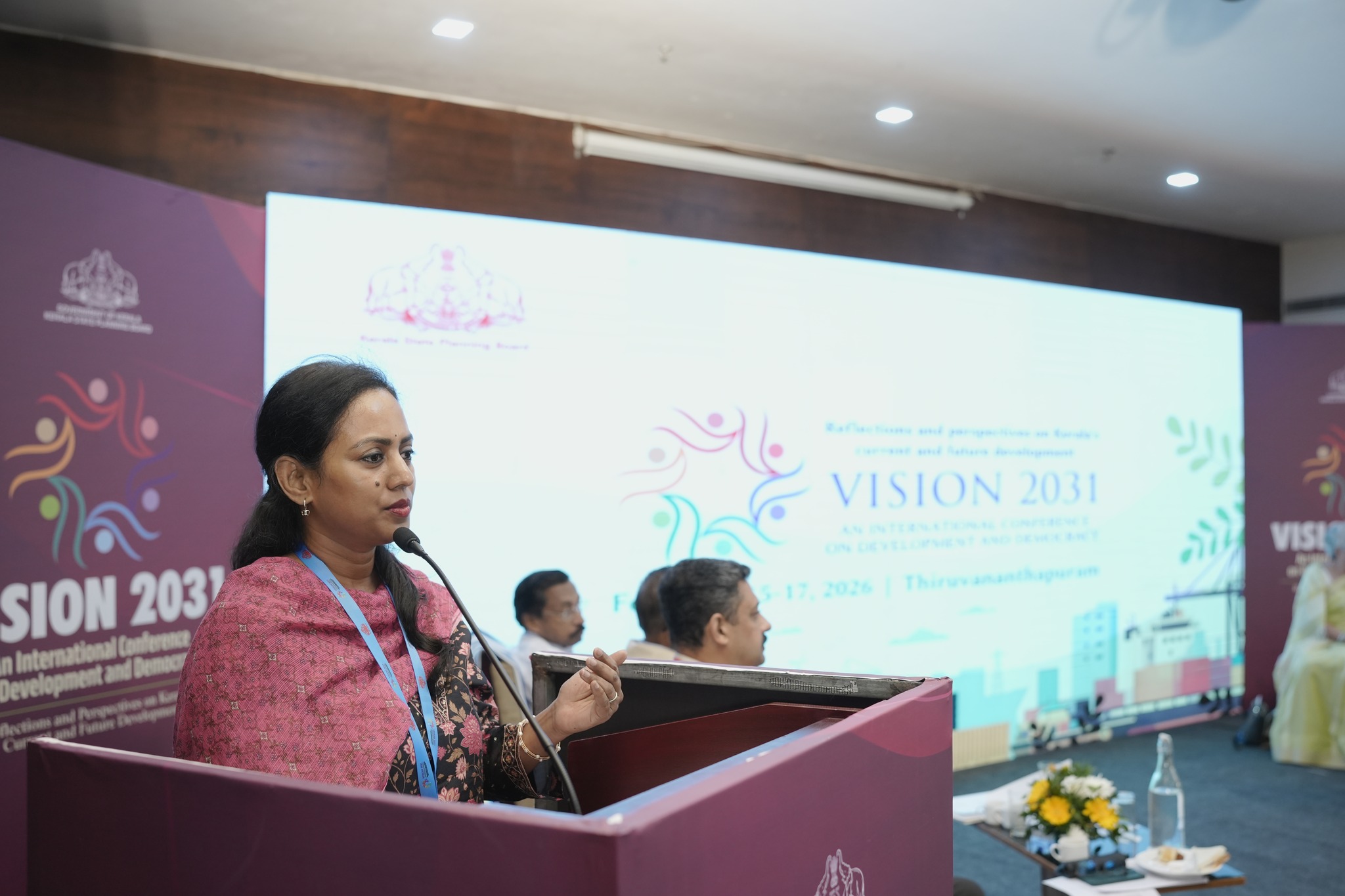

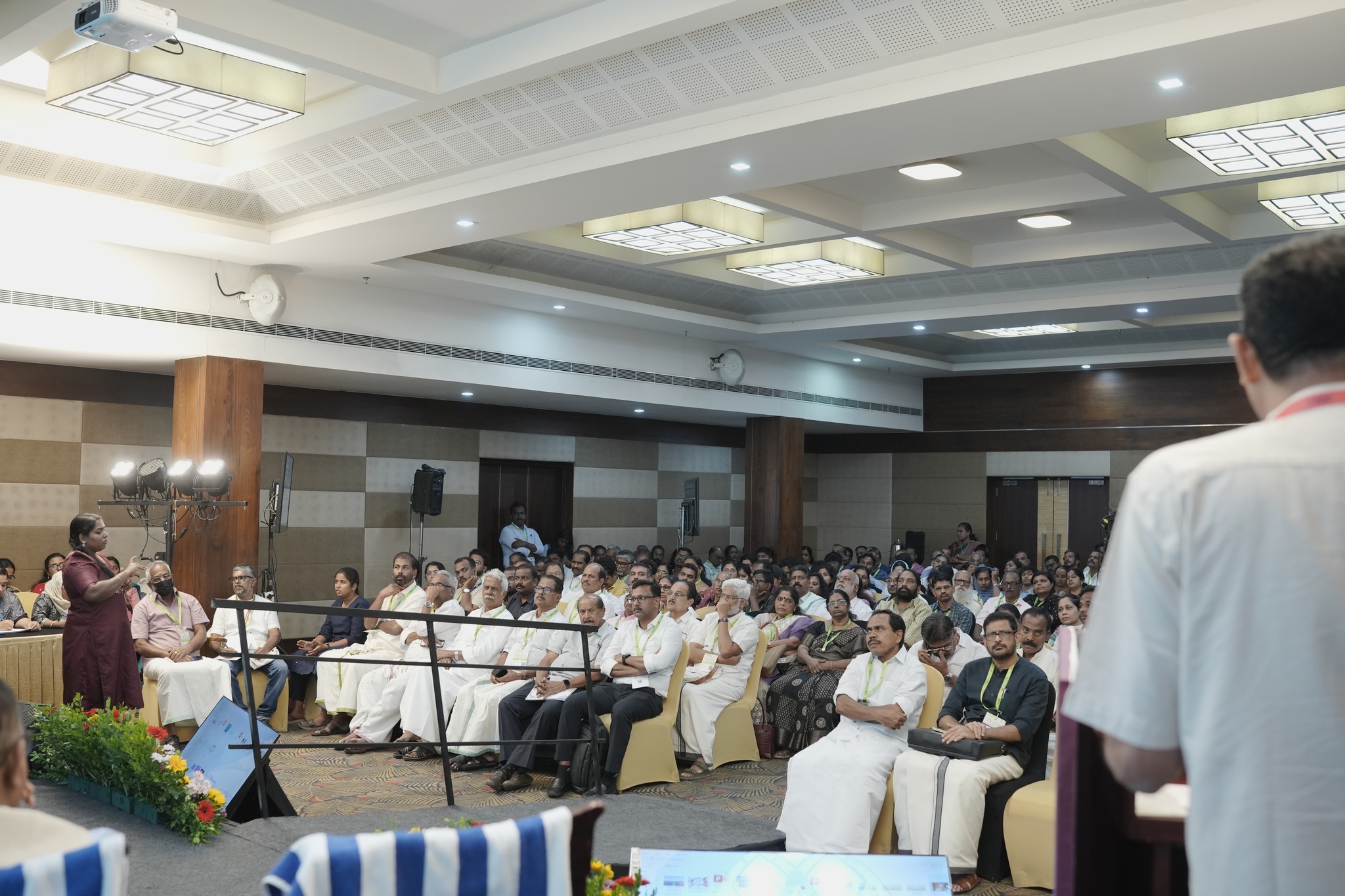


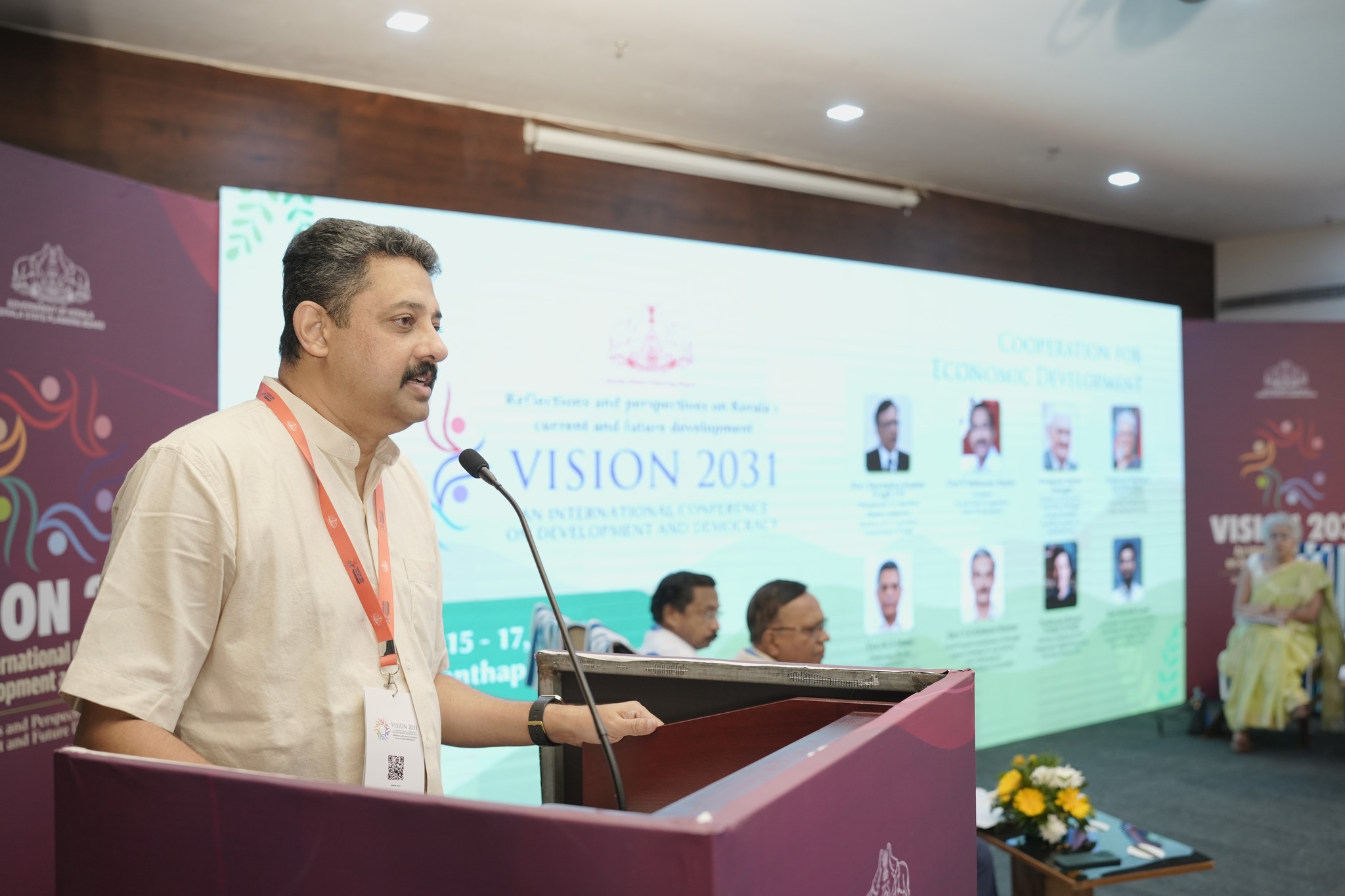
Cooperation for Economic Development

Cooperation for Economic Development - Prof. Stefano Zemagni malayalam
Cooperation for Economic Development - Prof. Stefano Zemagni
Cooperation for Economic Development - Prof. Robert Trebor Scholz
Perspective
Cooperatives in Kerala play a critical role in mobilising people and pooling resources to meet the shared needs of their members, while also contributing to the wider social and economic fabric of the State. Kerala has developed an extensive cooperative network that spans a wide range of activities, including credit, procurement, production, construction, marketing, agricultural processing, traditional industries, public health, education, insurance, women’s development, and fisheries. Owing to their broad reach and local presence, cooperatives have made a sustained contribution to economic development, demonstrating resilience by supporting communities and maintaining services during periods of economic slowdown and systemic disruptions.
The future of Kerala's cooperative movement depends on strengthening cooperative credit, a critical foundation of the sector. This session will present a modern and well-governed credit system as an essential component in the sector’s development. It will examine how primary cooperative banks and societies can expand beyond basic savings and loan services to function to operate as effective financial institutions. The focus will be on measures such as adopting digital lending platforms, introducing credit products for green technologies and agro-processing, and the strengthening of financial governance and risk management to support local entrepreneurship. A transparent and technology-enabled cooperative credit structure forms the base on which diverse cooperative activities, from production to marketing, can be developed and sustained.
With a stronger credit system in place, the session will outline its impact across the cooperative value chain. It will assess how targeted credit can help cooperative production units invest in machinery, quality control, and how it can support the creation of infrastructure for cooperative marketing, including cold chains, packaging units, and ecommerce platforms. A key part of the discussion will address the role of cooperatives in revitalising traditional industries. By facilitating access to capital for design improvements, raw material sourcing, and market diversification, cooperatives can traditional industries including handloom, and coir, and help them remain viable and competitive. This session seeks to define how strong cooperative credit system can function as a driver of a more equitable and resilient Kerala economy.
Panelist Speakers

Prof. Stefano Zemagni
Professor of Economics, University of Bologna Former President, Pontifical Academy of Social Sciences

Shri. T K Kishore Kumar
Chief Project Coordinator, Uralungal Labour Contract Co-op. Society Vice-Chairperson, ICA-AP Agriculture Committee

Prof. Robert Trebor Scholz
Director, Institute for the Cooperative Digital Economy, The New School, USA

Shri. Ganesh Gopal
Co-founder, Tinkerhub Foundation CDI Fellow, PCC, Institute for the Cooperative Digital Economy, The New School, USA
Shri. Devendra Kumar Singh IAS (Rtd.)
Chairperson, Co-operative Election Authority, Ministry of Co-operation, Government of India

Shri. P Mohanan Master
President of the Kerala State Co-operative Bank (Kerala Bank)
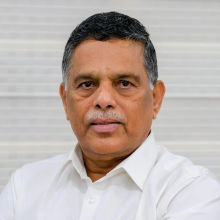
Shri. K S Mani
Chairman, Kerala Co-operative Milk Marketing Federation (MILMA)

Prof. Madhura Swaminathan
Professor and Head Economic Analysis Unit, Indian Statistical Institute
Venue Location
Dimora Trivandrum
Opposite Central Railway Station, Thampanoor, Thiruvananthapuram - 695001