





Workers’ Rights

Perspective
At a time when workers’ rights are waning worldwide, the record of the State of Kerala is one of commitment to protecting and advancing workers’ rights. Kerala has developed a framework that encompasses trade unions, worker cooperatives, welfare boards, gender equity measures, pension schemes, and the protection of migrant workers’ rights. The Government of Kerala will continue to advance workers’ welfare with the objective that workers in Kerala, including migrant workers, benefit from improved welfare measures, higher standards of living, and access to decent work. As Kerala pursues its objectives for economic growth, public policy will continue to emphasize the central role of workers and the need to ensure that working people share equitably in the benefits of development.
Kerala’s approach to labour rights has been shaped by an institutional framework that seeks to ensure dignity, equity, and social protection. The introduction of the Kerala Minimum Wage Rules in 1958 was an early global example of how statutory intervention can secure fair wages and decent working conditions.From 1980, the Government of Kerala made pioneering efforts to enhance the reach of pensions to workers in the informal sector, and today, most sections of senior citizens and working people are covered by pensions.
The Government of Kerala continues to strengthen labour regulation through legislative interventions aimed at improving enforcement of wage laws, enhancing penalties for violations, and advancing reforms that promote workplace equality, safety, maternity protection, and fair industrial relations.
Public policy will ensure that the gains from advances in science and technology, including artificial intelligence and data-driven systems, accrue equitably to the workforce, and address the changing patterns of employment, particularly in urban areas, the service sector, and platform-based work, where concerns related to wages, job security, and working conditions have assumed new urgency. The Government will formulate measures to regulate the gig economy, promote fair remuneration, and improve conditions of work, while addressing issues of dispute resolution, collective representation, and social protection. Migrant workers’ rights remain an integral component of Kerala’s labour policy, with measures addressing health, housing, and social inclusion.
The session will focus on policies for inclusive social protection, particularly for workers vulnerable to volatile labour market conditions. Discussions will address legislative frameworks governing workers’ rights, social protection, and equality in the workplace. The session aims to encourage learning from best practices and to clarify and extend Kerala’s vision for workers’ rights and welfare in a changing world of work. Labour and employment policy in Kerala will continue to prioritise equity, women’s rights, workers’ rights, and decent work, priorities that assume particular significance in the context of the recently notified national labour codes, which have altered long-standing labour protections and the balance of rights between workers and employers.
Panelist Speakers

Justice K Chandru
Former Judge, Madras High Court
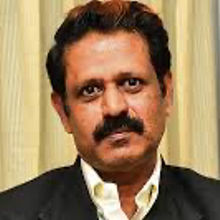
Dr. K R Syam Sunder
Professor of Practice in the Management Development Institute (MDI), Gurgaon. Professor (Rtd.) of Industrial Relations, Xavier School of Management, Mumbai
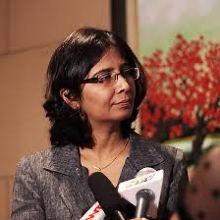
Dr. Sukti Dasgupta
Director, Conditions of Work and Equality Department, International Labour Organisation

Ms. Michiko Miyamoto
Head of International Labour Organisation, Delhi
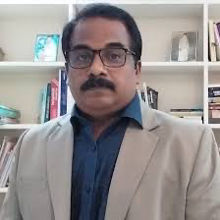
Prof. Vinoj Abraham
Professor, Centre for Development Studies, Thiruvananthapuram
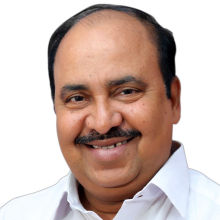
Shri. R Chandrasekharan
President, Kerala State Committee, Indian National Trade Union Congress
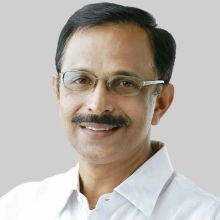
Adv. George Thomas
State Secretary, All India Trade Union Congress

Shri. K N Umesh
National Secretary, Centre of Indian Trade Unions
Venue Location
Mascot Hotel
GX52+J65 Mascot Square, PMG Road Near Kerala University Stadium, Cantonment House Rd, LMS Compound, PMG, Thiruvananthapuram, Kerala 695033